

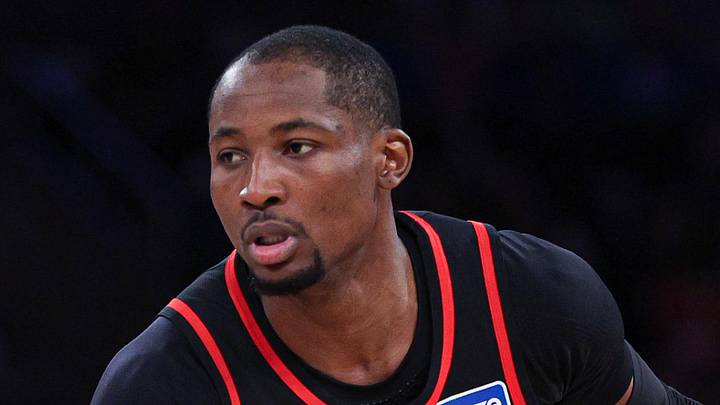
The Atlanta Hawks officially declined Jonathan Kuminga's $24.3 million team option, making him an unrestricted free agent.
While that move may initially appear to signal the end of Kuminga's time in Atlanta, it doesn't necessarily mean the Hawks are moving on. In fact, if the organization is truly committed to winning now, re-signing Kuminga should remain one of its top offseason priorities.
Declining the option gives Onsi Saleh additional flexibility to negotiate a new contract rather than locking into the final year of Kuminga's existing deal. Atlanta is doing exactly what every smart front office should do: explore every available avenue before committing long-term money.
However, flexibility should not come at the expense of losing one of the team's most impactful players.
There will certainly be competition. Per Jake Fischer of The Stein Line, the Chicago Bulls and the Cleveland Cavaliers are potential suitors for Kuminga. If Atlanta truly believes he is part of its long-term plans, it cannot afford to let another franchise outbid them without a serious effort to retain him.
Kuminga fits Atlanta's win-now timeline
The Hawks have repeatedly made it clear they are trying to take another step after returning to the playoffs as a top-six seed. Kuminga fits that timeline perfectly.
Although Atlanta's season ended in disappointing fashion against the eventual NBA champion New York Knicks, Kuminga consistently demonstrated why the Hawks targeted him before the trade deadline.
In particular, he played a major role in the two games Atlanta won during the series, providing athleticism, scoring, and physicality that few players on the roster could match.
His aggressive style of play gives Atlanta another dimension offensively. Kuminga attacks the basket, thrives in transition, and plays with an edge that often energizes his teammates. Those are qualities that become even more valuable during postseason basketball when every possession becomes increasingly physical.
Just as importantly, Kuminga provides meaningful depth across multiple positions. That versatility allows head coach Quin Snyder greater lineup flexibility throughout a long season.
The Hawks still have other priorities
Atlanta's offseason is far from complete. The organization still needs additional size behind Onyeka Okongwu after repeatedly being linked to veteran centers throughout the offseason.
The Hawks also recently acquired Devin Carter while adding future draft capital, another move that demonstrates Saleh continues exploring every opportunity to improve the roster.
There are also lingering questions surrounding Zaccharie Risacher. Since Kuminga arrived in Atlanta before the trade deadline, Risacher's role noticeably diminished. Whether that reflects Snyder's long-term vision or simply a desire to prioritize winning games, Kuminga consistently earned meaningful minutes because of his production.
Likewise, trading for Aaron Wiggins was another smart addition for Atlanta's depth. However, Wiggins is coming off a relatively quiet offensive season in Oklahoma City, while Kuminga proved capable of creating his own offense and impacting games in multiple ways. Their skill sets complement one another rather than making either player expendable.
Most importantly, declining Kuminga's option does not close the door on a reunion. The Hawks remain free to negotiate a new multi-year agreement if both sides can find common ground. That possibility should not be overlooked simply because the option was declined.
The feeling around the league is that Atlanta is not finished making moves, and Saleh should absolutely continue evaluating every possibility to improve the roster. But if the Hawks genuinely believe they are entering a win-now phase, allowing Kuminga to walk away without bringing him back on a new deal could become one of the offseason's biggest mistakes.
The front office still has time to prevent that outcome, and the coming days may determine whether Kuminga remains an important part of Atlanta's future.
 Add us as a preferred source on Google