

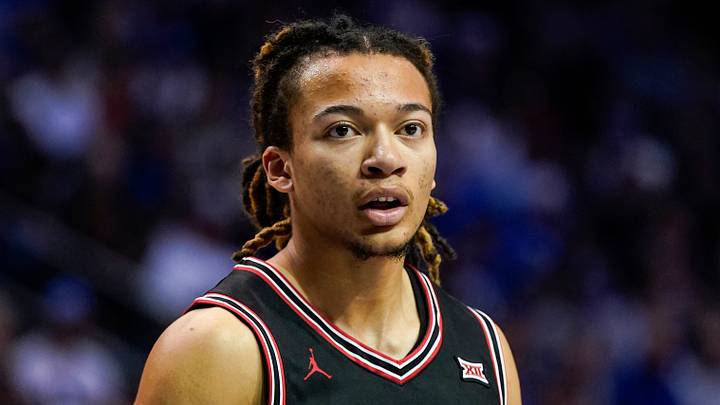
The Atlanta Hawks drafted Kingston Flemings with the expectation that he could eventually become their starting point guard. Their latest roster decisions suggest they aren't interested in making his pathway toward reaching that potential any more complicated than it needs to be.
Atlanta has now moved on from both Devin Carter and Ryan Nembhard after acquiring each guard through trades earlier this offseason. Carter was waived, while Nembhard was included alongside Buddy Hield in the deal that brought Dorian Finney-Smith to Atlanta.
Neither move individually guaranteed anything about Flemings' role. Together, however, they send a much stronger message: President of Basketball Operations Onsi Saleh appears determined to give his prized rookie every opportunity to develop without having several young guards competing for the same developmental minutes.
Atlanta is clearing the runway for their rookie
Carter and Nembhard were intriguing enough that either could have remained as additional backcourt depth. Carter still offered developmental upside, while Nembhard gave Atlanta another young ball-handler capable of competing for opportunities under Head Coach Quin Snyder.
The problem was that keeping either player could have created unnecessary competition for minutes Atlanta should prioritize for Flemings. The Hawks already have several players capable of handling the ball, meaning carrying another developmental point guard wasn't essential for the construction of this roster.
That's particularly important for Flemings. Young point guards need opportunities to make decisions, play through mistakes and adjust to NBA defenses, and those experiences become more difficult to accumulate when several similarly positioned prospects are fighting for limited minutes.
Atlanta doesn't need to hand Flemings a starting job immediately. What the Hawks can provide is a legitimate pathway toward earning meaningful playing time, which may ultimately be more beneficial than simply placing him into a major role before he's ready.
Moving Carter and Nembhard accomplishes exactly that. Flemings now has fewer young guards standing between him and the developmental opportunities Atlanta drafted him to receive.
CJ McCollum gives Flemings the veteran presence he needs
Clearing minutes is only part of developing a young point guard. Atlanta also needs Flemings surrounded by veterans who can help him understand how to manage games, handle difficult stretches and adjust to the responsibilities that come with running an NBA offense.
That's where CJ McCollum becomes particularly valuable. McCollum can provide immediate production while giving Flemings an experienced guard to learn from, creating a healthier dynamic than forcing the rookie to compete with multiple prospects who are also trying to establish themselves.
Snyder can now determine Flemings' role based more on his development than Atlanta's roster numbers. If Flemings earns additional minutes, the Hawks have created enough room to reward him without needing to sacrifice another young guard's opportunities in the process.
That doesn't mean Atlanta should rush him. Flemings will inevitably experience the inconsistencies that come with being a rookie point guard, and the Hawks' expectations this season mean Snyder still has to prioritize winning.
But Atlanta's offseason decisions reveal where the organization believes its long-term answer lies. Carter and Nembhard were useful prospects, yet the Hawks ultimately chose a cleaner developmental pathway for Flemings.
Now it's up to Flemings to take advantage. Atlanta has done its part by removing some of the competition around him, and the opportunity to prove he can become the Hawks' point guard of the future is becoming increasingly clear.
 Add us as a preferred source on Google